How Much Water or Solvent Should You Add to Reach a Specific Concentration?
Learn how to calculate the exact amount of water or solvent needed to prepare a diluted solution from a stock concentration.
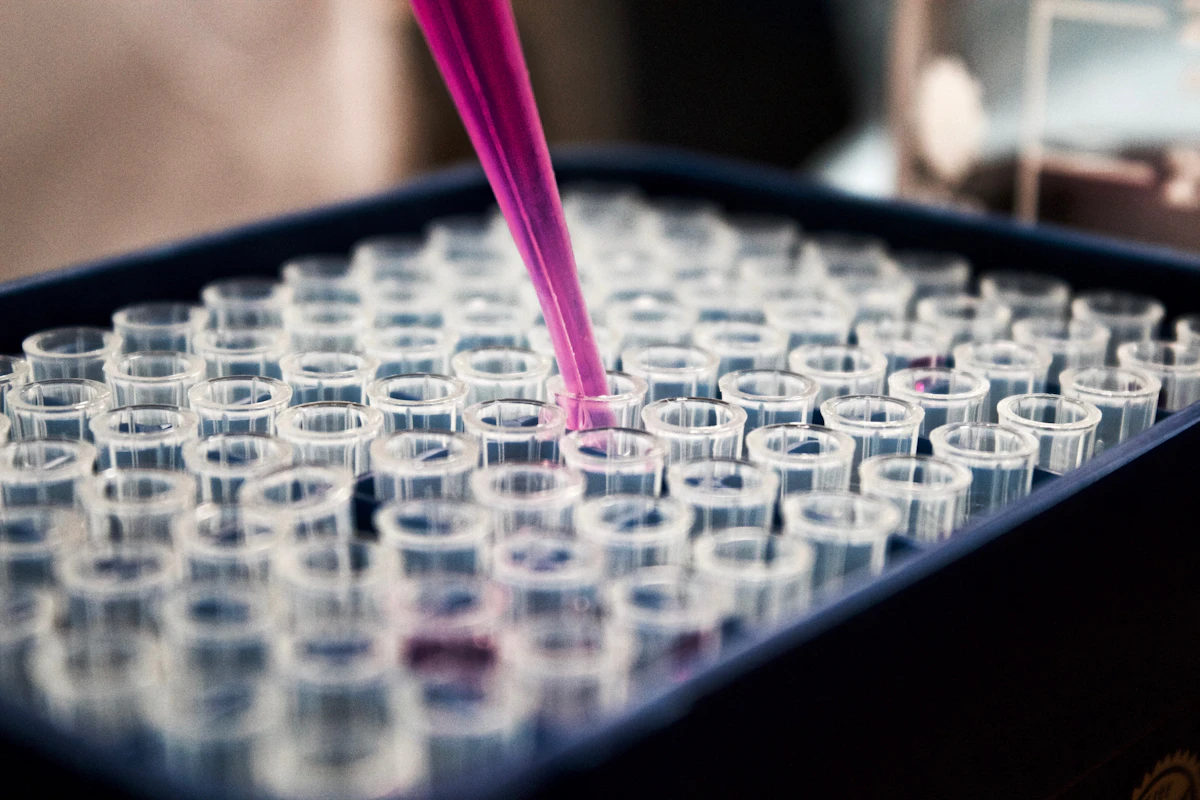
You know the stock strength and you know the target strength. The last question is practical. How much liquid do you actually pour in? Many beginners guess and end up with a solution that is too weak or too strong. The right diluent volume follows a clear rule. This guide shows you how to find the stock amount first, how to calculate the solvent and how to avoid the classic mistakes. You will finish with a reliable method for reaching any target concentration.
Finding the Required Volume of Stock Solution First
Always begin with the stock. You cannot know how much solvent to add until you know how much stock solution you will use. Use the C1V1 C2V2 rule. Multiply the final concentration by the final volume. Then divide by the stock concentration.
This order matters because the solvent amount depends on it. Skip this step and every later number will be wrong. Imagine building a wall without laying the first row. The rest cannot stand. So write down C₁, C₂ and V₂. Solve for V₁ carefully. This stock volume becomes the foundation of your entire dilution calculation.
Calculating How Much Solvent Is Needed
Once you have the stock volume, the solvent is easy. Subtract the stock volume from the final volume. The result is the solvent volume you must add. In short, diluent equals V₂ minus V₁.
For example, suppose your final volume is 500 mL and the stock volume is 25 mL. The solvent is 475 mL. That is all. This water dilution formula looks almost too simple, yet it is the source of most correct preparations. A good diluent calculator performs this subtraction automatically. Still, understand it yourself so you can check any tool you use.
Why the Final Volume Includes Both Stock and Diluent
New students often stumble here. The final volume is not the amount of water you add. It is the total volume of stock plus diluent. The stock takes up part of that space.
If you add the full final volume of water to the stock, the total becomes larger than planned. The diluted solution ends up weaker than your target. Picture filling a cup. If the cup holds 100 mL and you already poured 5 mL of concentrate, you only have room for 95 mL of water. Keep this image in mind whenever you prepare a working solution.
Water Versus Other Appropriate Dilution Solvents
Water is the most common diluent, but it is not the only one. Many reagents need a buffer, an alcohol or another dilution solvent. The right choice depends on the chemistry of your solute. Some compounds dissolve only in certain liquids.
Use the same solvent that made the stock whenever possible. This keeps the solution stable and avoids precipitation. For biological work, a buffer often protects pH and activity. For organic chemistry, a compatible organic solvent may be required. Always read the product sheet. The wrong diluent can cloud the solution, degrade the solute or change the reaction. Careful reagent dilution starts with a good solvent choice.
Step-by-Step Example for Preparing a Target Concentration
Let us walk through a complete case. You have a 1 M stock solution of a salt. You need 500 mL of a 0.05 M solution. First, apply V₁ = (0.05 × 500) ÷ 1. That equals 25 mL.
Next, find the solvent. Subtract 25 mL from 500 mL and you get 475 mL. Now prepare it. Pour about 400 mL of water into a volumetric flask. Add 25 mL of stock. Then add more water until the bottom of the liquid curve touches the 500 mL mark. Stopper and mix. Your target concentration is now ready for use.
| Step | Action | Value |
|---|---|---|
| 1 | Find stock volume | 25 mL |
| 2 | Find diluent volume | 475 mL |
| 3 | Add stock to flask | 25 mL |
| 4 | Fill to final mark | 500 mL |
| 5 | Mix thoroughly | Invert several times |
How to Calculate Diluent Volume From Final Volume
The rule is always the same. Diluent volume equals final volume minus stock volume. You can write it as V_diluent = V₂ − V₁. This formula holds for any concentration and any batch size.
If you know the dilution factor, you can also work backward. A factor of ten means one part stock and nine parts diluent. A factor of one hundred means one part stock and ninety-nine parts diluent. Multiply the parts by the size of one part to find the volumes. This method is handy for quick bench work. It also gives you a mental check on the result from any stock and diluent calculation.
Avoiding the Mistake of Adding the Full Final Volume as Solvent
This error appears in classrooms and labs alike. Someone calculates a 5 mL stock volume for a 100 mL final volume. Then they add 100 mL of water to the stock. The total becomes 105 mL. The concentration drops below the target.
The fix is simple. Add stock to the container first. Then add diluent up to the final mark, not by a fixed amount. Volumetric flasks make this easy because the mark shows the final volume. If you use a beaker, measure the diluent separately and add exactly V₂ minus V₁. This dilution preparation habit protects accuracy in every batch you make.
Choosing Compatible Buffers or Solvents
Compatibility matters as much as math. A buffer may keep a protein stable, while plain water may damage it. A strong acid stock may need water added slowly to control heat. Some stocks in dimethyl sulfoxide precipitate when mixed into water too fast.
Check the manufacturer’s instructions. Look for stability notes, pH ranges and storage advice. Add the stock into the solvent gradually and mix as you go. Never assume water is safe for every concentrated stock. Correct buffer dilution and solvent selection keep your solute active, dissolved and ready for the next step of your experiment.
Checking the Final Concentration After Dilution
After you prepare the solution, verify it. Use the formula in reverse. Multiply the stock concentration by the stock volume you used. Divide by the actual final volume. The result should equal your target.
For extra confidence, measure the concentration with a meter, a spectrophotometer or a titration if your setting allows it. Even a quick check on pH or color can reveal a large error. Record the values in your notebook. Good records make it easy to repeat the method later. A brief concentration calculation review at the end turns a hopeful guess into a confirmed result.
Conclusion
To reach a specific concentration, find the stock volume first with C1V1 C2V2. Then subtract it from the final volume to get the solvent amount. Remember that the final volume includes both parts. Choose a compatible solvent, add stock to the flask and fill to the mark. Finish with a quick check of the result. With this routine, every solvent dilution you prepare will hit the target and support reliable experiments.